Selling a house with tenants still living in it can feel overwhelming — especially if you're already dealing with stress, financial pressure, or problem tenants. Many homeowners worry they'll have to evict tenants first, make repairs, or wait until a lease ends before they can sell.
The truth is, you do have options. In many cases, a house can be sold with tenants still in place, depending on the situation and the path you choose.
This guide walks through what that process usually looks like and what homeowners should consider before making a decision.
CAN YOU SELL A HOUSE WITH TENANTS STILL LIVING THERE?
Yes. In most situations, you are legally allowed to sell a property even if tenants are still occupying it. However, the tenant's lease and local laws determine what happens next.
In California, tenants generally retain their rights after a sale. This means a lease does not automatically end when the property is sold, and certain notice requirements may apply. Some buyers are comfortable taking over a tenant-occupied property, while others are not.
Understanding this early helps avoid surprises.
SCENARIO 1: SELLING A HOUSE WITH TENANTS WHO ARE PAYING RENT
If your tenants are paying rent and following the lease terms, selling the property can often be straightforward.
Common options include:
- Selling to another investor who wants rental income
- Selling with the lease transferred to the new owner
- Selling with a negotiated tenant move-out timeline
In these situations, tenants may stay through closing, and the buyer steps into the landlord role. This option can reduce vacancy and avoid disruption.
SCENARIO 2: SELLING A HOUSE WITH NON-PAYING OR PROBLEM TENANTS
This is where many homeowners feel stuck.
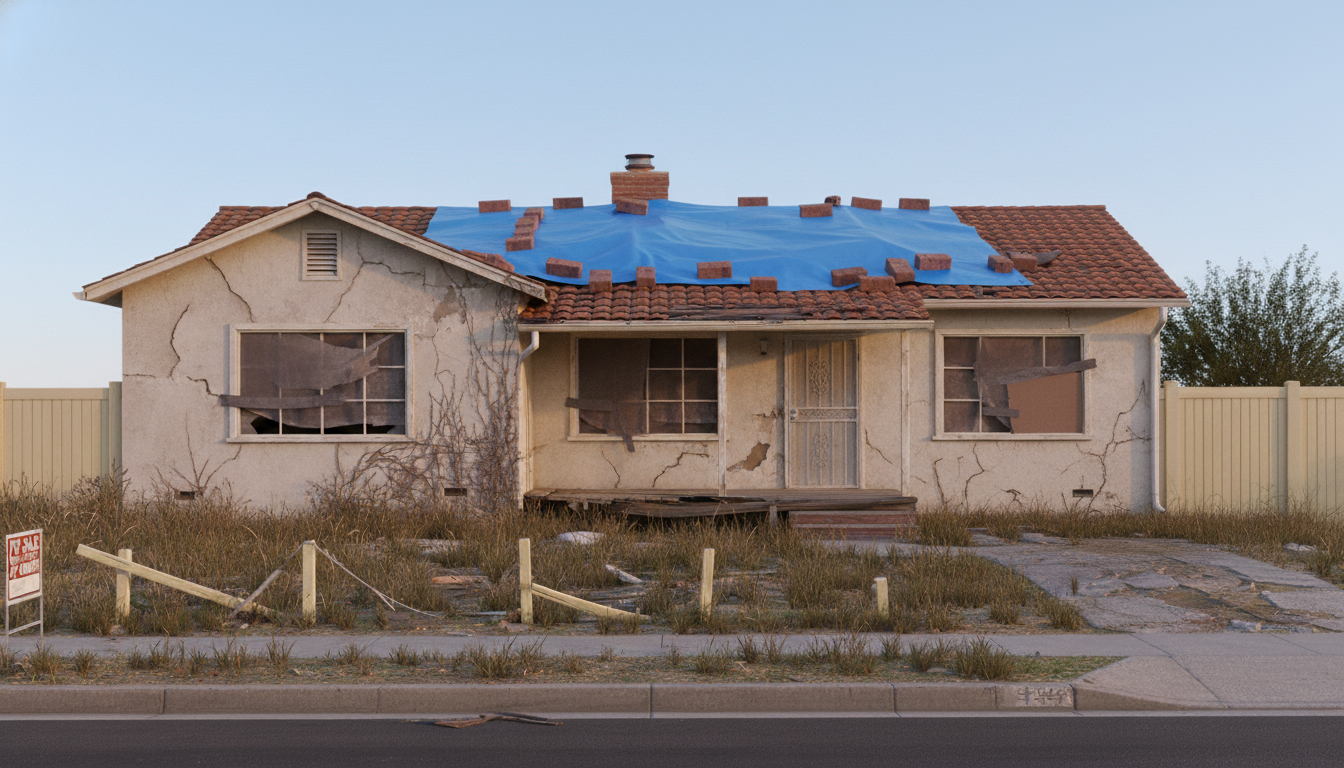
If tenants are not paying rent, damaging the property, refusing access, or ignoring notices, a traditional sale can become slow, stressful, or expensive. Evictions take time and money, and tenant protections in California can extend timelines.
In these cases, many homeowners choose to sell the house as-is, with tenants still in place, to avoid a prolonged process. Some buyers specialize in these situations and understand how to handle them after the sale.
DO YOU NEED TO MAKE REPAIRS OR PREPARE THE HOUSE?
Not necessarily.
When tenants are still living in the property, repairs and showings may be impractical or disruptive. Selling as-is allows homeowners to move forward without coordinating repairs, clean-ups, or repeated access requests.
For many sellers, this is the least stressful path forward.
COMMON MISTAKES HOMEOWNERS MAKE
Some common pitfalls include:
- Assuming tenants must leave before selling
- Starting an eviction without understanding timelines
- Listing the property without tenant cooperation
- Spending money on repairs that don't increase value
Getting clarity on your options early can save time, money, and frustration.
WHAT OPTIONS USUALLY MAKE THE MOST SENSE?
Every situation is different, but homeowners typically choose one of these paths:
- Sell with tenants in place
- Negotiate a voluntary tenant move-out
- Sell as-is to a buyer familiar with tenant-occupied properties
The right choice depends on your timeline, tenant situation, and tolerance for stress and delays.