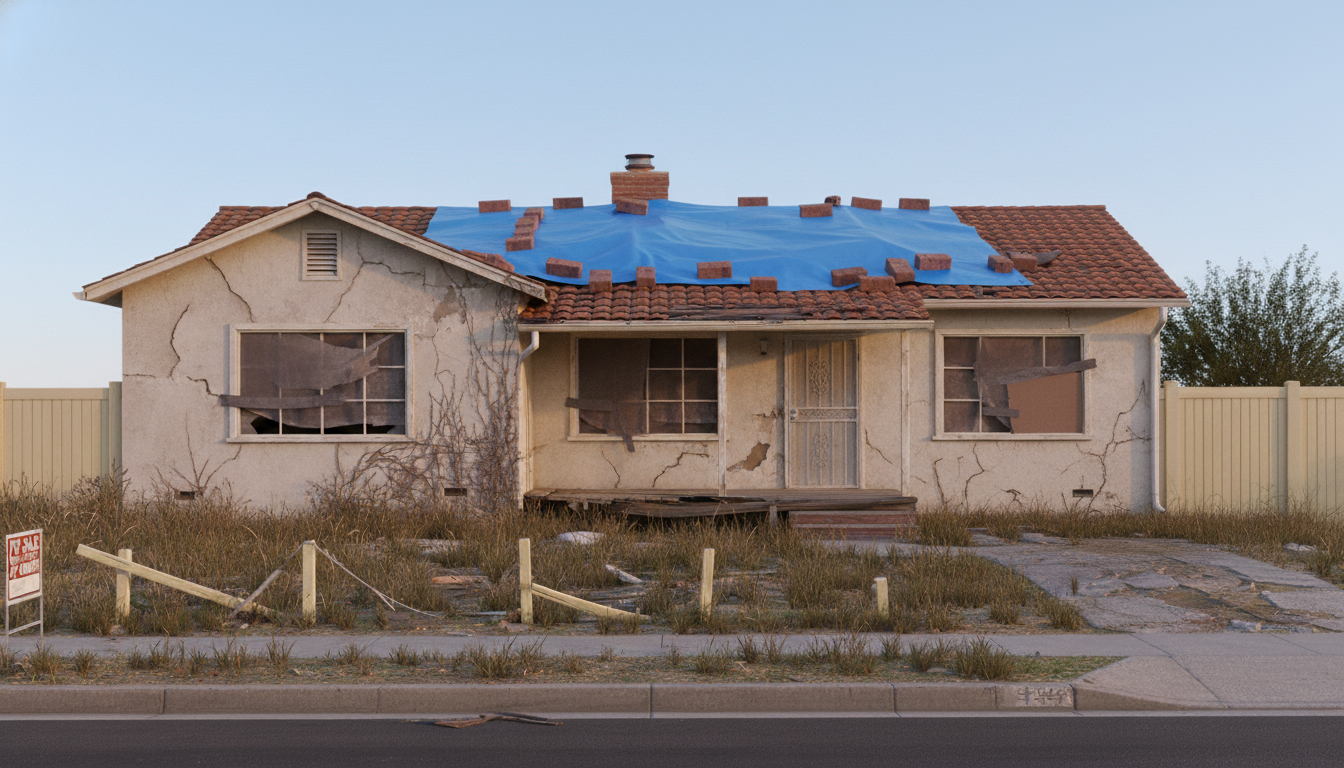
Selling a house "as-is" in California means offering the property in its current condition, without making repairs or improvements. This approach has become increasingly popular among homeowners who want to avoid the time, expense, and hassle of preparing a home for the traditional market.
Whether you're dealing with an inherited property, facing financial pressure, or simply don't want to invest in updates, understanding how as-is selling works in California can help you make informed decisions.
WHAT DOES "AS-IS" REALLY MEAN IN CALIFORNIA?
In California real estate, "as-is" means the seller will not make any repairs to the property. The buyer accepts the home in its current condition, with all its flaws and needed repairs.
However, it's important to understand that selling as-is does NOT mean:
- You can hide known defects
- You're exempt from disclosure requirements
- You can ignore major safety issues
- The sale will automatically be faster or easier
California law requires sellers to complete specific disclosure forms, regardless of whether the sale is as-is or not.
WHEN DOES SELLING AS-IS MAKE SENSE?
Selling as-is can be the right choice in several situations:
INHERITED PROPERTIES
When you inherit a house that hasn't been updated in years, making repairs can be overwhelming and expensive. Selling as-is allows you to transfer the property without investing time and money you may not have.
FINANCIAL CONSTRAINTS
If you can't afford repairs or don't want to take out loans to fix the property, selling as-is provides a way to sell without upfront costs.
TIME-SENSITIVE SITUATIONS
For homeowners facing foreclosure, relocation, divorce, or other time pressures, as-is selling can provide a faster solution than traditional listings.
DISTRESSED OR DATED PROPERTIES
Homes with significant deferred maintenance, outdated systems, or cosmetic issues may not benefit enough from repairs to justify the investment.
CALIFORNIA'S DISCLOSURE REQUIREMENTS FOR AS-IS SALES
Even when selling as-is, California law requires sellers to provide:
- Transfer Disclosure Statement (TDS)
- Natural Hazard Disclosure Report
- Lead-based paint disclosure (for homes built before 1978)
- Smoke detector and water heater compliance
- Any known material facts about the property
Failure to provide proper disclosures can lead to legal issues, even in as-is sales.
OPTIONS FOR SELLING AS-IS IN CALIFORNIA
1. Traditional MLS Listing (As-Is)
You can list your home on the MLS with an agent and mark it as as-is. This approach:
- Reaches a wide pool of buyers
- May still require some preparation (cleaning, photos)
- Could involve negotiations over price or credits
- Typically takes 30-90 days to close
2. Direct Cash Buyers
Companies that purchase homes directly for cash, often:
- Buy in any condition
- Close quickly (14-30 days)
- Purchase with tenants or occupants
- Handle paperwork and complications
- Pay all fees and closing costs
3. iBuyers or Instant Offers
Technology-powered companies that make quick offers, usually:
- Require homes to be in reasonable condition
- Offer faster closings than traditional sales
- Charges service fees
- Have specific geographic and property requirements
COMMON MISTAKES TO AVOID
When selling as-is in California, homeowners sometimes:
- Underestimate disclosure requirements
- Price too high for the condition
- Assume all buyers will accept major issues
- Choose the wrong selling method for their situation
- Fail to consult with professionals
HOW TO PREPARE FOR AN AS-IS SALE
Even without making repairs, you can improve your as-is sale by:
- Gathering all property documents and disclosures
- Getting a pre-sale inspection (optional but helpful)
- Understanding your property's realistic value
- Researching different selling options
- Consulting with a real estate attorney if needed